Diagnostic Innovation & Future Technologies
Diagnostic science is evolving beyond conventional laboratory testing. Advances in microfluidics, biosensors, molecular detection, and intelligent analytical systems are creating new ways to detect biological signals, investigate disease, and generate diagnostic information.
DiagnostiCore explores the science behind these emerging technologies, examining their underlying principles, research applications, technical advantages, and limitations. From experimental platforms to innovations approaching clinical use, discover how new diagnostic approaches are being developed and evaluated for modern laboratory medicine.
1.Emerging Technologies Transforming Diagnostic Science
New diagnostic technologies are being developed to make biological measurements more integrated, sensitive, portable, and efficient. Rather than relying on a single innovation, many emerging platforms combine advances in molecular biology, materials science, microengineering, and data analysis.
Some of the most promising developments occur when different technologies work together. For example, microfluidic devices can manage tiny volumes of biological samples, while molecular detection systems identify specific genetic targets. Combining these capabilities could enable more integrated diagnostic platforms, linking sample processing, target recognition, and signal detection within a single workflow.
1.1 Lab-on-a-Chip & Microfluidic Diagnostics
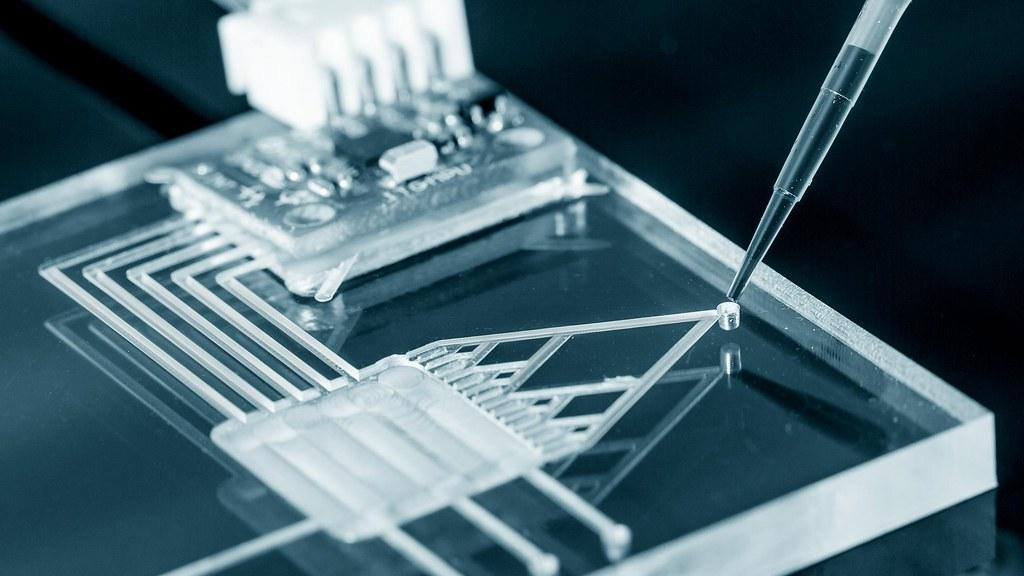
Microfluidic technologies manipulate small volumes of liquids through precisely designed channels and chambers. In diagnostic applications, these systems can integrate several laboratory steps into a compact device, potentially reducing reagent consumption and simplifying sample processing.
Researchers are investigating lab-on-a-chip platforms for molecular detection, biomarker analysis, infectious disease testing, and portable diagnostic systems. However, sample preparation, device fabrication, reproducibility, and reliable performance with real clinical specimens remain important challenges.
Read the research: Next generation microfluidics: fulfilling the promise of lab-on-a-chip technologies
1.2 Next-Generation Biosensors
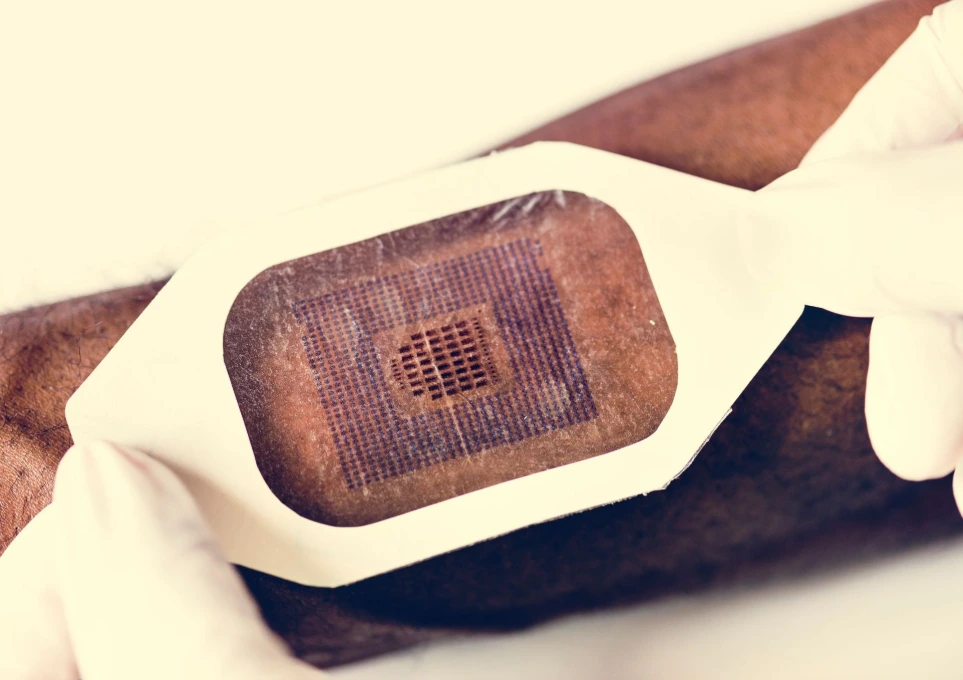
Biosensors detect biological or chemical targets by converting a recognition event into a measurable signal. Depending on their design, they may use antibodies, enzymes, nucleic acids, or other recognition elements to identify specific molecules or biological changes.
Emerging biosensor platforms explore optical, electrochemical, and other detection approaches for measuring biomarkers, identifying pathogens, and supporting rapid testing. Their practical value depends on factors such as selectivity, sensitivity, stability, interference, and performance in complex samples.
Read the research: CRISPR-based electrochemical biosensors: an alternative for point-of-care diagnostics?
These technologies become even more interesting when combined with molecular recognition methods. One example is CRISPR-based diagnostics, which uses components of CRISPR-Cas systems to recognize selected nucleic acid sequences and, in certain systems, generate a detectable signal.
1.3 CRISPR-Based Molecular Diagnostics
CRISPR-based diagnostic methods are being investigated as tools for detecting specific DNA or RNA sequences associated with pathogens and other biological targets. Certain CRISPR-Cas systems, including Cas12 and Cas13, can produce a detectable signal following target recognition, making them useful components of molecular detection assays.
Depending on the method, the workflow may include nucleic acid amplification, fluorescent or colorimetric signal detection, and additional sample preparation. Researchers are exploring ways to integrate these steps with microfluidic devices to create compact testing platforms.
The potential advantages include programmable target recognition and compatibility with different detection formats. However, assay sensitivity, specificity, sample preparation, contamination control, and clinical validation remain important considerations.
Read the open-access research: CRISPR-Based Diagnostics: Challenges and Potential Solutions toward Point-of-Care Applications
When Technologies Work Together: CRISPR-on-a-Chip
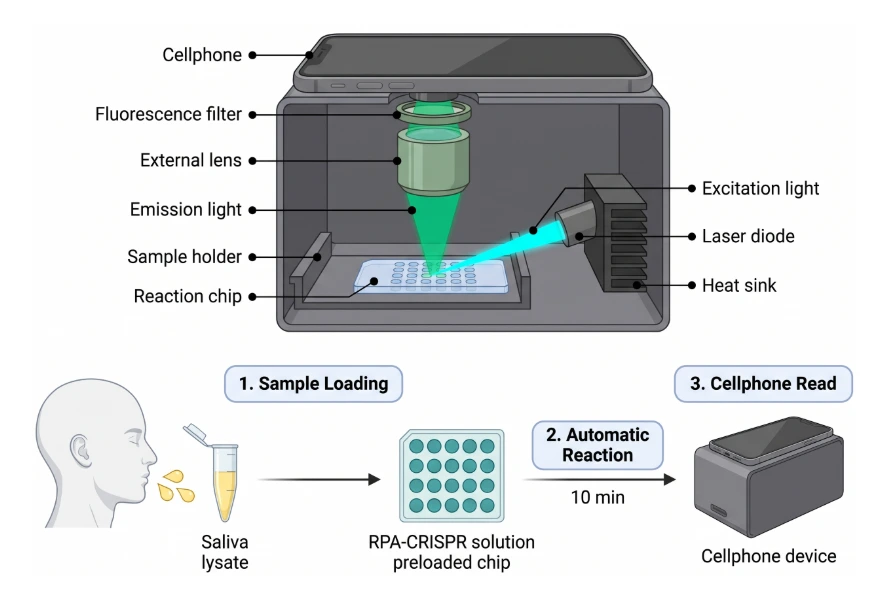
What happens when a molecular detection method is combined with a miniaturized laboratory device?
A CRISPR-based assay can provide the molecular recognition step, a microfluidic chip can manage the sample and reagents, and a biosensor or optical detector can measure the resulting signal. Depending on the design, integrating these components may reduce manual handling and support more compact testing workflows.
These systems are an active area of research, not a guarantee of faster or more accurate clinical results. Their performance depends on the complete assay and the evidence supporting its intended use.
Read the open-access research on CRISPR and microfluidic integration →